
Category Creative Historical Thinking
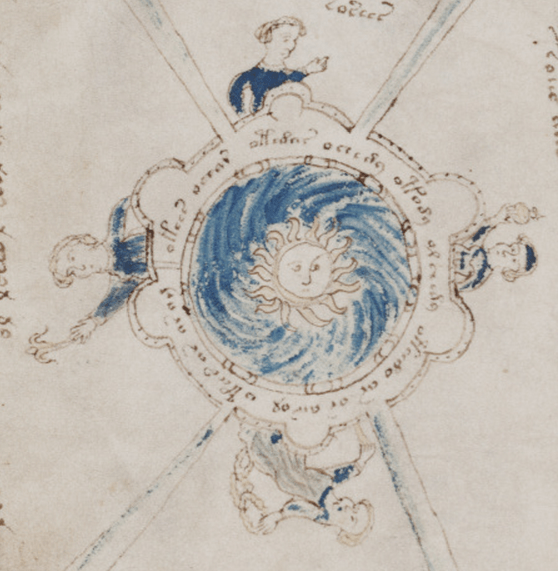
Spatial Visualization of Time in the Voynich Manuscript
In the first chapter of my book Creative Historical Thinking (Routledge, 2018),I describe some of the different ways that we visualize time in spatial form. A common way of viewing the year is as a circle, divided into seasons or months (perhaps accompanied by the constellations of the zodiac). In my own synesthetic view of […]
Some daguerreotypes
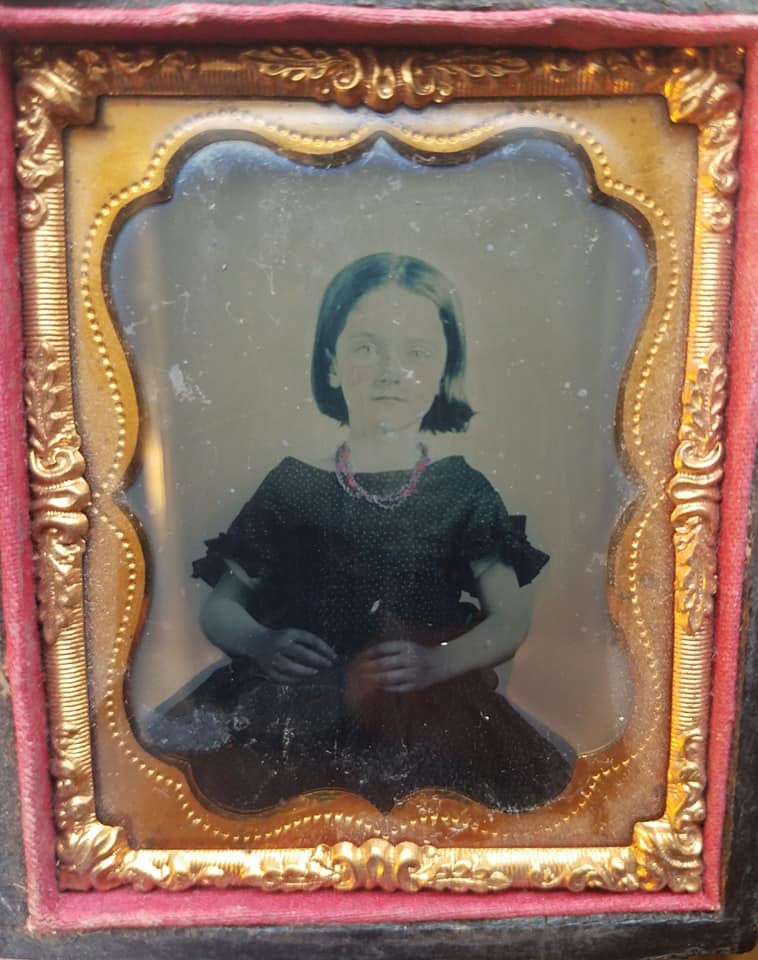
I picked up a few daguerreotypes in reasonable condition and at a decent price ($20-$25 each) at an antique store the other day. Both cases had broken hinge, but were otherwise complete. The old man has some coloring added to his cheeks – something I have seen before, especially with later tintypes – but the […]

History Visualized with Epochs
It was common in the United States in the nineteenth century to speaks about history broken up into “ages” and “epoch.” Because time was moving quicker than ever before, and changes were all around to see, contemporaries needed to use language that divided time into distinct periods on the path towards progress and civilization. A […]
Willard’s Chronographer
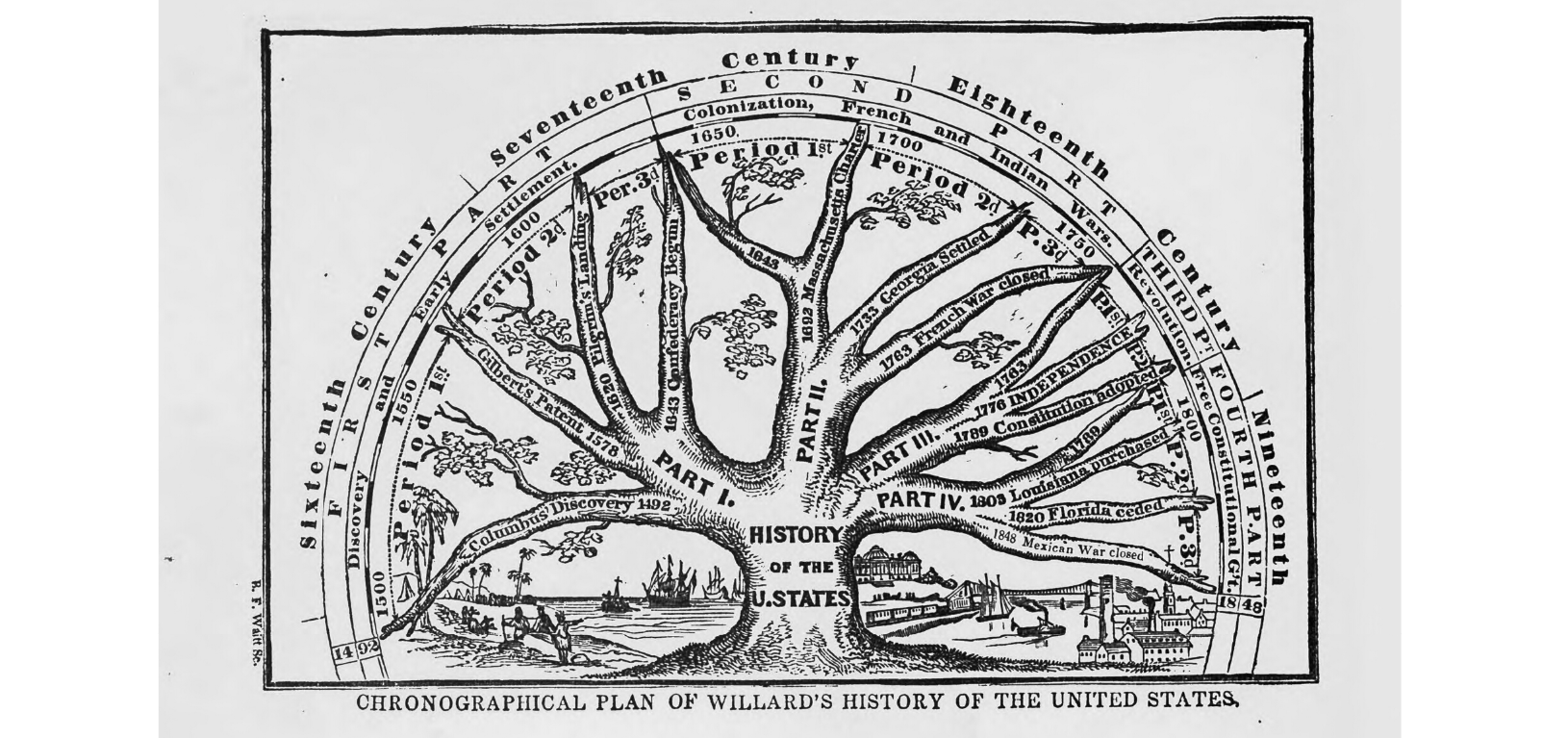
I just discovered another interesting spatial visualization of time, this one from a U.S. history text used in elementary schools in the mid 19th century., Emma Willard’s Abridge History of the United States (New York: A.S. Barnes & Co), 1852. Like I noted in my post on Hillyer’s “Staircase of Time” Willard treats her diagram […]
The “Staircase of Time”
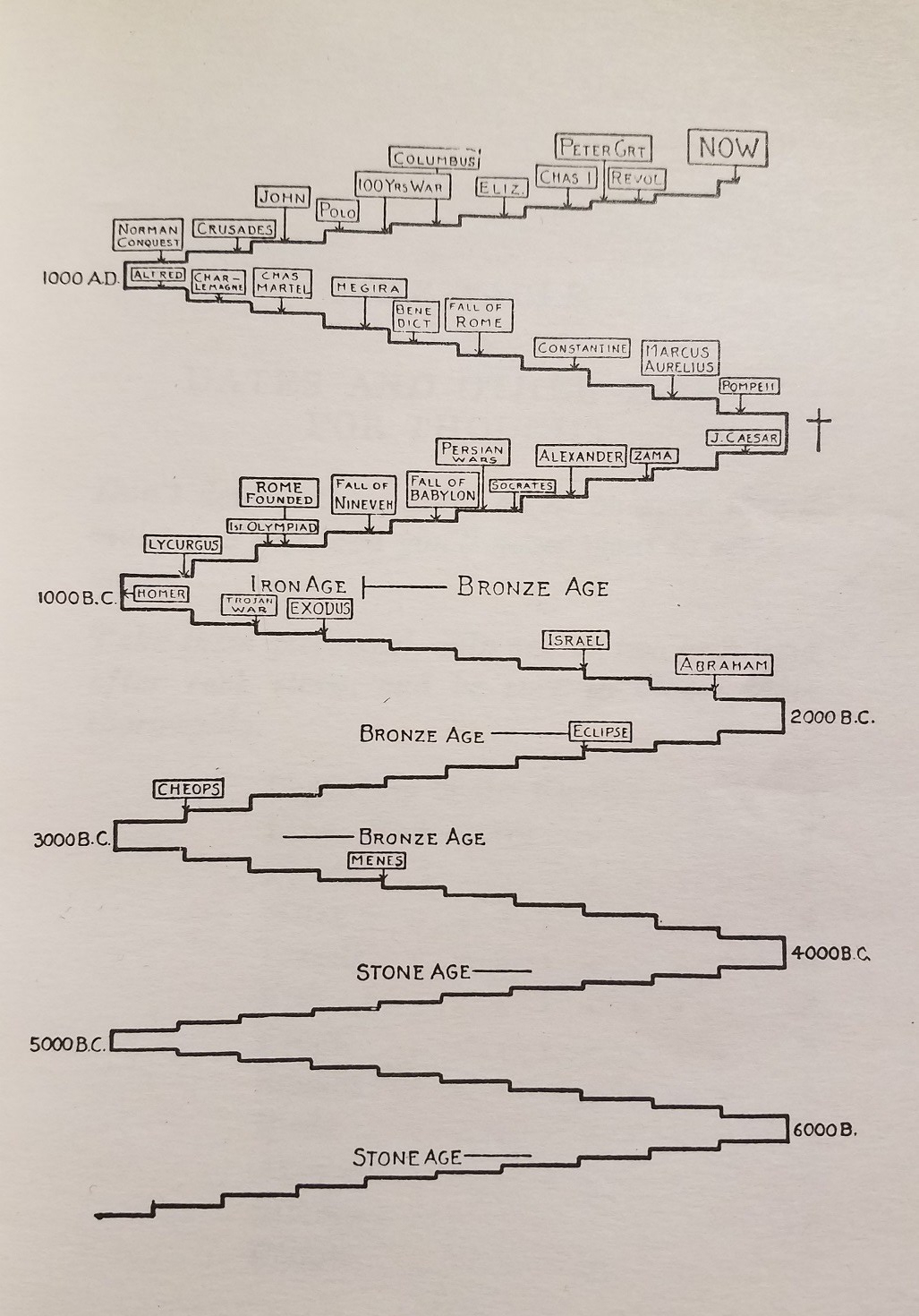
My new book, Creative Historical Thinking (Routledge, 2018), includes many diagrams showing spatial visualizations of time. One of my arguments in the book is that there are many ways in which we can visualize time. If we try to impose just one diagram, of say a timeline that goes left to right, or a cyclical […]
A Doctor of History Fixes Broken Stories
I generally try to avoid using the title “Dr.” instead of “Mr.” because I don’t want to be called upon in an emergency to have to save someone’s life. I can imagine it now: the captain’s voice comes over the speaker system: “Is there a doctor on the plane?” When no one comes forward, the […]

Shake out a book: A Library Exercise for a History Class
Here’s a fun activity for historians and students in history classes: Go to your school or university library, open up old books and shake them out (not literally shake them, you guys!). How many books might you need to shake out before you find a piece of paper? Usually its about 20 or 30 books. […]
Illustrated Course Notebooks
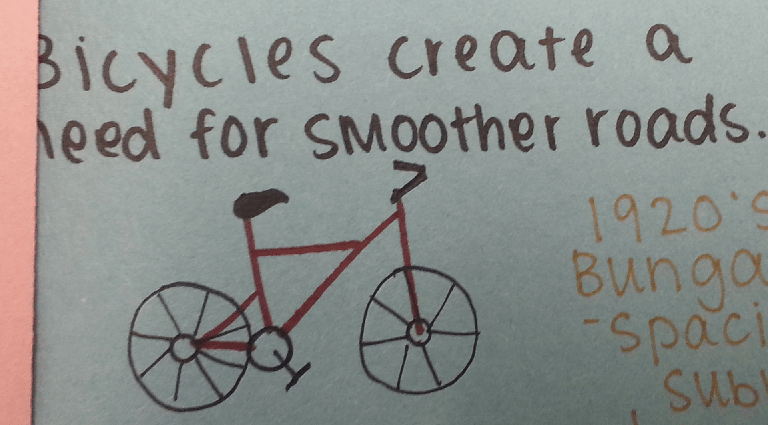
A few years ago, when I was still controlling the mic at the classroom podium, I gave my class an assignment to make an illustrated notebook, rather than a final paper. The purpose of this was to encourage students to go through their notes from 15 weeks of class and re-think them, integrate them in […]

Dutch Art Nouveau Month Calendar
In my forthcoming book Creative Historical Thinking (Routledge), I describe many ways in which people have different structural views of time: timelines that go up and down, this way and that; mental images of the week, month, or year, that organize information in different way. This Dutch Calendar has the days running from top to […]
Maryland Colonial 2/3rds of a Dollar
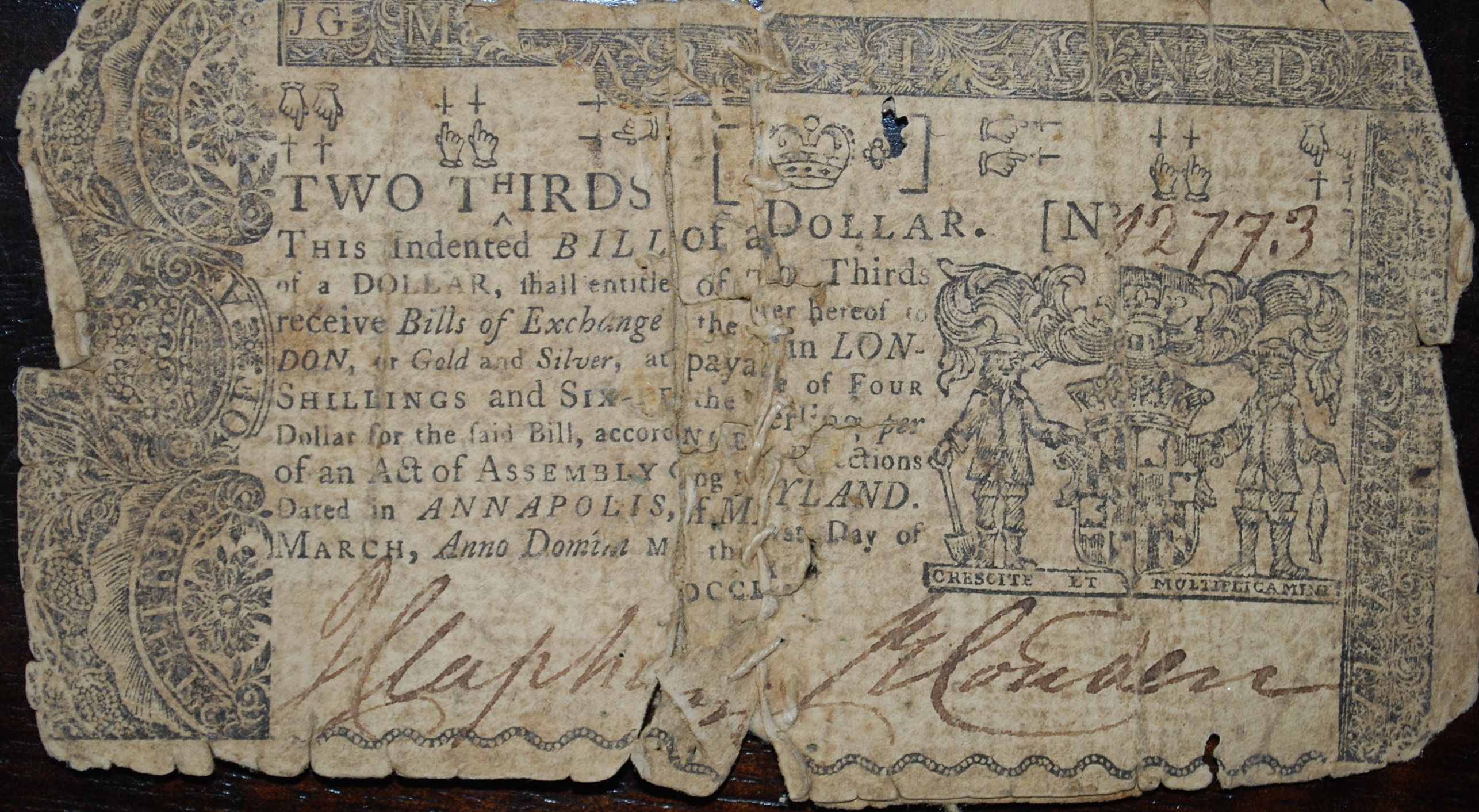
Hipster coffee shops in Maryland only accept cash, but they I can’t get any of them to accept this legal tender, a re-sown 2/3rds of a dollar bill.



 Michael J Douma