
Category History Methods
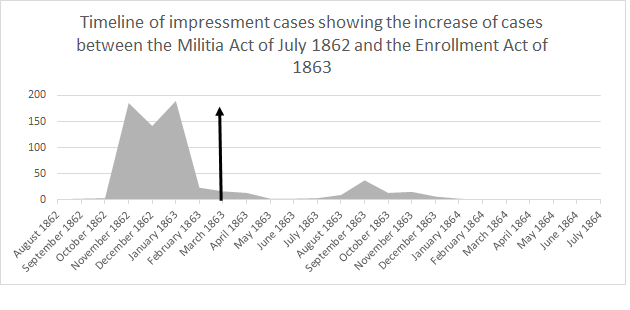
When the U.S. Government drafted non-citizens into the army
In 1862, the U.S. government drafted non-citizens into the army and didn’t bother passing a law about it until the next year. Using records of the U.S. State Department, I have created a database of 1040 cases of soldier complaints about impressment, that is: illegal forced conscription of non-citizens in the U.S. Army. Not only […]
Triple co-authoring
Ah, rainy mornings at the mountain cabin, when you can’t work outside, are perfect for blogging. A few years ago, my colleague Anders Rasmussen and I co-wrote and published an article on the the Lincoln Administration and the potential colonization of St. Croix with freed slaves. Co-authoring, I learned, has its advantages, especially when both […]
Reviewing Each Other
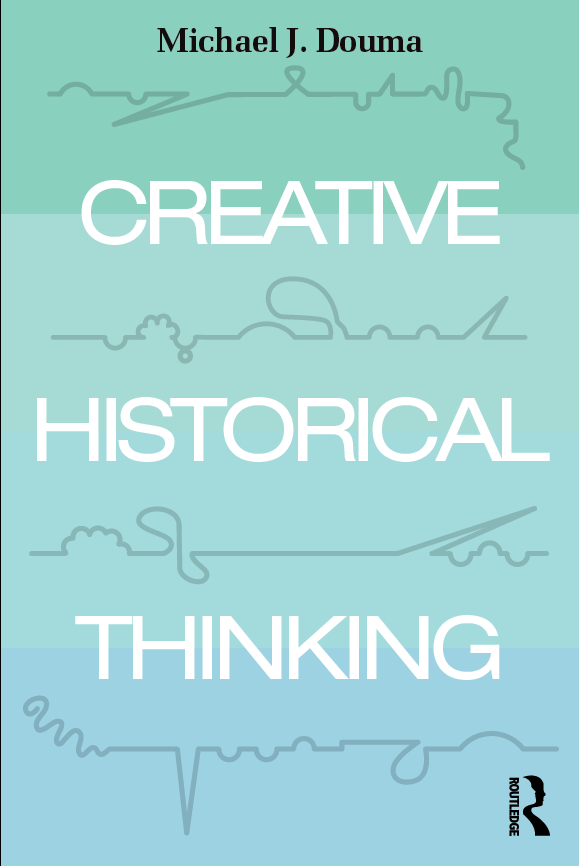
A few weeks ago, I emailed a draft copy of my next book, Creative Historical Thinking (Routledge, 2018) to my new friend Ben House. In return, last week Ben sent me a physical copy of his book, Punic Wars & Culture Wars: Christian Essay on History and Teaching (Covenant Media Press, 2008), along with a […]

Red Tape and Ribbons
From the National Archives earlier this week. These ribbons were probably used as some kind of marking system by the Secretary of State’s office (William Seward’s office) during the Civil War. Something similar to the red/ pinkish ones were used all of the time to bundle letters together and I believe its where we get […]

A Franked Envelope
The Dutch word “to stamp” is “frankeren.” I’ve never seen it used in English, like this: “a franked envelope” ! Also, in the spirit of the mid-19th century, I would like to end every communication with “Please accept the renewed assurance of my very high consideration.”
Reviewer #2 is a Jerk.
Let’s face it. Reviewer #2 is a always jerk. There is no list of peer-reviewers who might serve as the second reviewer, there is only one “Reviewer #2” and he is called on to read every article you write. Reviewer #1 is basically Julie Andrews dancing on a mountainside somewhere, singing praises about your article. […]
Historical Narrative and Personality Development
I think that reading history make you a better person, more sympathetic to others, more critical in your analysis, more skeptical of standing interpretations, more knowledgeable of the world. Why is this? How can reading history make us better people? I think stories help us relate to others. By telling ourselves stories, we also build […]
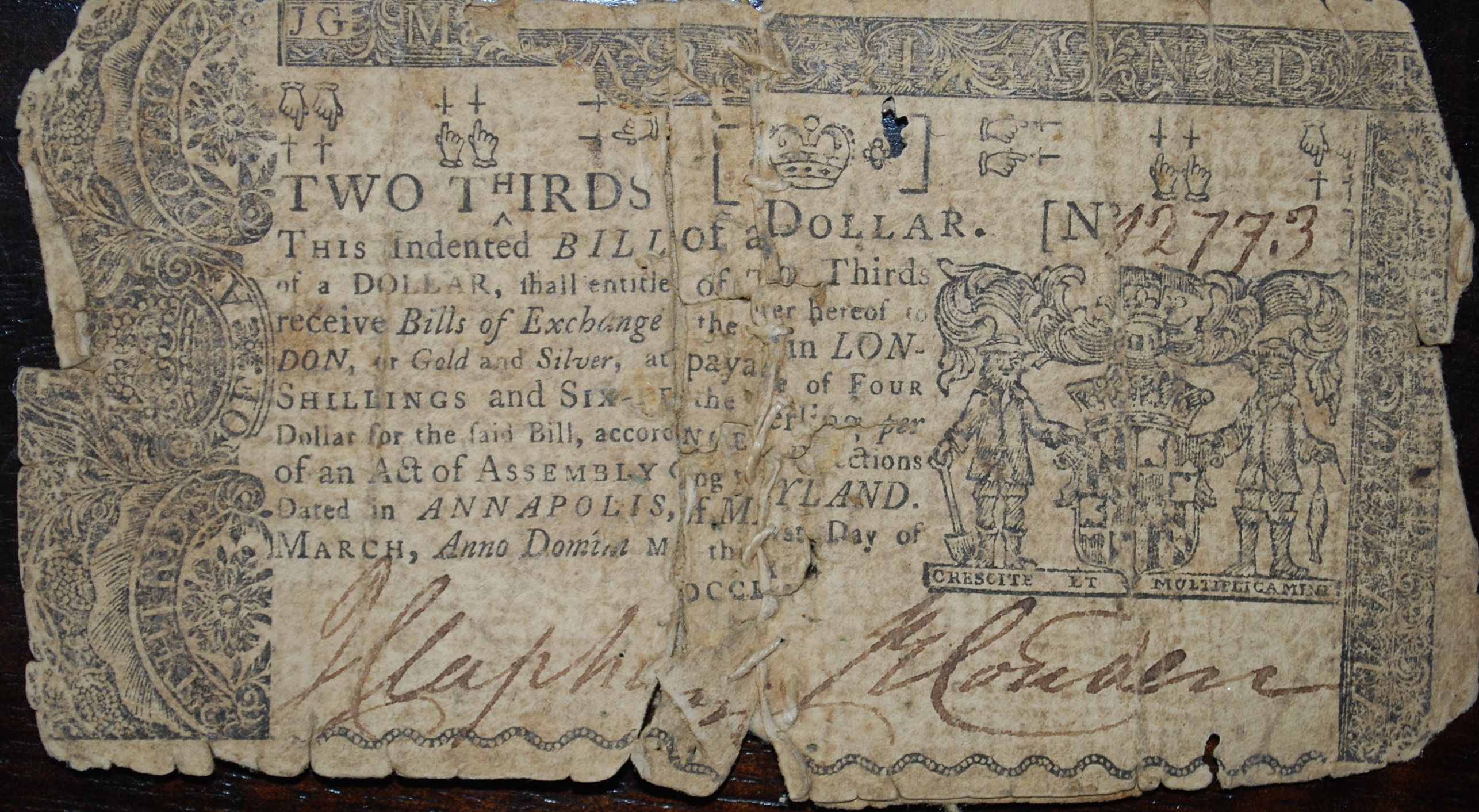
Maryland Colonial 2/3rds of a Dollar
Hipster coffee shops in Maryland only accept cash, but they I can’t get any of them to accept this legal tender, a re-sown 2/3rds of a dollar bill.
Politi-fact. Maybe. Histori-fact. Not really.
There’s been a little back-and-forth recently on the nature of Lincoln and Colonization of African-Americans. This view is not entirely satisfactory, but Politifact has at least recognized the existence of my new research on Suriname, St. Croix, etc. http://www.politifact.com/truth-o-meter/article/2015/jul/09/another-look-lincoln-and-colonization-ex-slaves/



 Michael J Douma